
A monumental donation for the IWK hospital.
Dr. Margaret Oulton will donate $2 million dollars to women’s health research.
She says there is a huge gap in research related to women’s health care.
“I’m very happy that I’m able to give this gift, and I’m very happy for what it’s able to do, that it’s helping women. Women are in huge need of help, and so to be able to do this, I feel almost humble, really,” said Oulton.
This comes after a recent report surveyed more than 27,000 women, many of whom felt there were significant barriers for women accessing health care. The IWK Foundation says they had way more responses than they anticipated, which also emphasizes the need for more research.
They say that, in Canada, women’s health only makes up about 7 per cent of total research funding in Canada.
Dr. Justine Dol will be the first chair, with the position named in Oulton’s honour.
“To those 27,000 women that responded to the survey, just be reassured that we heard you. We have your words. We have your voices, and we’ll be working with you to identify the priorities moving forward, so we can create research that addresses your unique needs, so we can make better care outcomes in the future,” said Dol.
The donation reveal, held at the IWK on Thursday, also highlighted Oulton’s monumental career in research. In 2023, Dalhousie University gave Oulton a lifetime achievement award for her prenatal research.
Left to right: Jennifer Gillivan, President and CEO of the IWK Foundation; Dr. Margaret Oulton, donor; Charlie Livingstone, former patient; Dr. Justine Dol, research chair. (Jacob Moore/Acadia Broadcasting)
That includes her team’s discovery in the 1970s that a substance called surfactant was correlated to lung infection in premature births. That lead to a test that helped determine if an infant’s lungs were strong enough to survive an induced premature birth.
Years ago, a baby was born four months premature following the test. At the time, he had a slew of health complications and a high chance of being permanently disabled if he survived. An old photo in a newspaper showed the baby’s foot fit inside his father’s wedding ring.
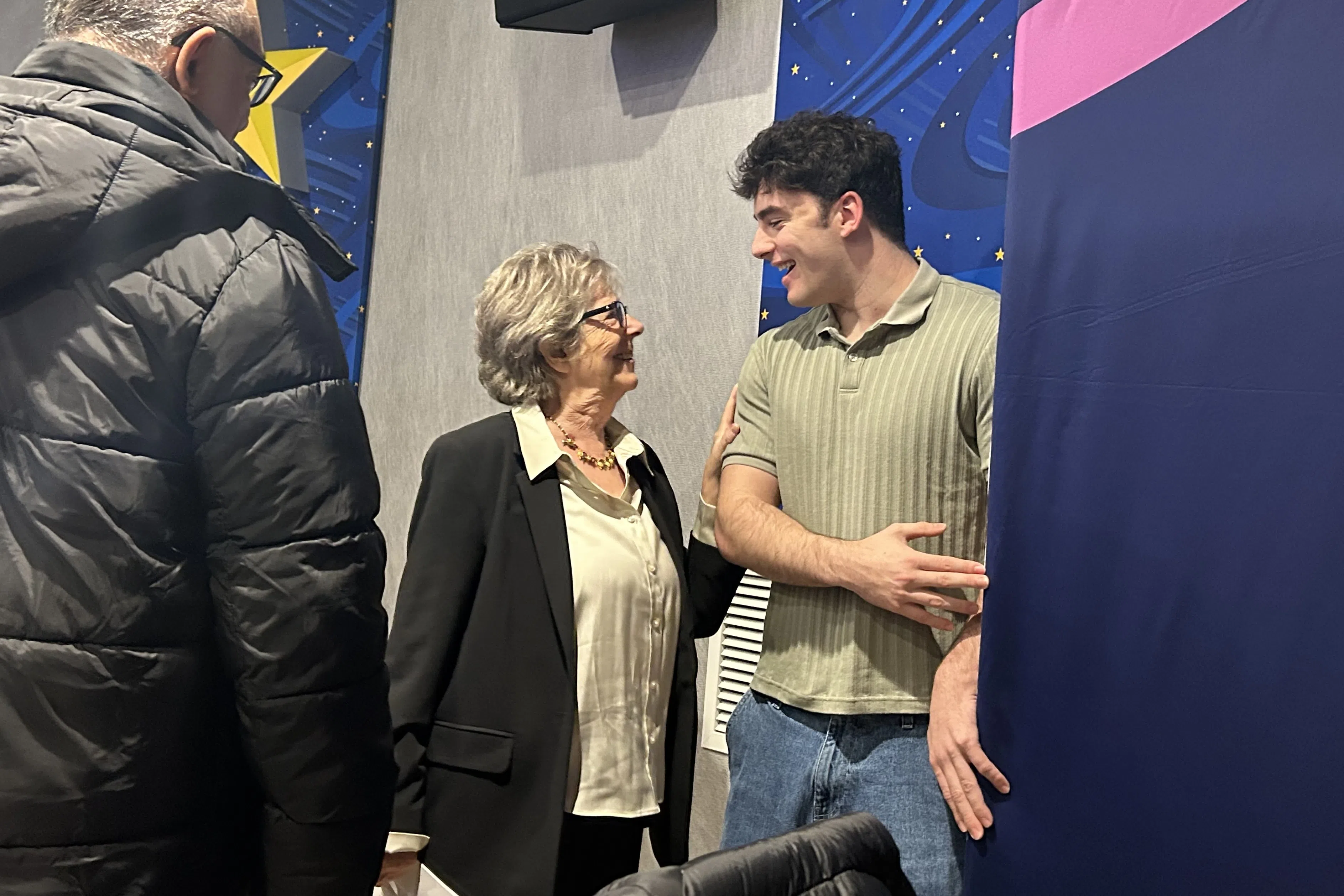
Well, 21 years on, that baby is now a man, and he spoke about how Oulton’s research impacted him, and he met her for the first time.
“It was amazing. Well, that doctor’s the reason why I’m here today. It was definitely a full circle moment to meet the person who directly saved my life, right?” said Charlie Livingstone.
“There’s not really a better feeling.”



