
spirope / Depositphotos.com
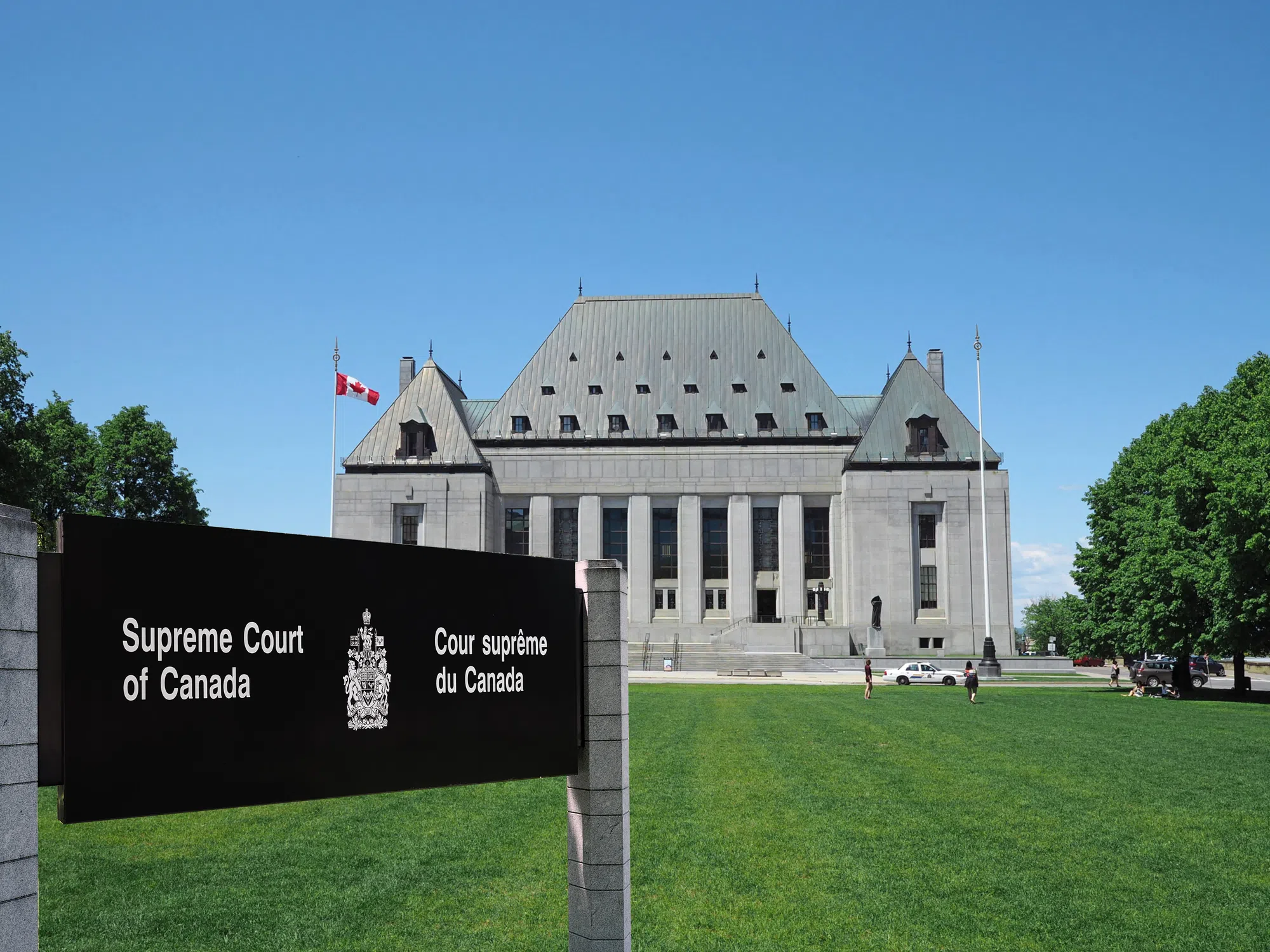
The Supreme Court of Canada has ruled that the one-year mandatory minimum jail sentences for accessing or possessing child pornography are unconstitutional.
In a 5–4 decision released Friday, the court found that while mandatory minimums promote denunciation and deterrence, they also take away judges’ ability to tailor sentences to individual circumstances.
The decision upholds a 2022 ruling by the Quebec Court of Appeal, which said the one-year minimum violated the Charter of Rights and Freedoms’ ban on cruel and unusual punishment.
The case stemmed from two Quebec men who pleaded guilty to possession-related offences. The Crown and the province’s attorney general had appealed to the Supreme Court after the lower court struck down the sentence requirements.
Writing for the majority, Justice Mary Moreau said the offences of possession and access cover a “very wide range of circumstances,” from organized offenders with thousands of images to individuals who briefly keep a single file. She said the law’s broad application can lead to “grossly disproportionate” sentences.
The court examined a scenario where an 18-year-old receives an explicit photo from a 17-year-old acquaintance and keeps it briefly on his phone. While serious, the court said such an offence falls at the low end of the gravity scale, and a year in jail would be excessive.
Moreau noted that in those cases, prison could do more harm than good, particularly for young offenders, and that judges should retain discretion to impose probation or conditional sentences.
The ruling prompted immediate criticism from Conservative politicians. Alberta Premier Danielle Smith called the decision “outrageous,” urging Ottawa to invoke the notwithstanding clause to reinstate the mandatory minimums. Conservative Leader Pierre Poilievre also vowed to bring them back if his party forms government, calling the judgment “disgusting.”
Conservative justice critic Larry Brock said the court’s decision was a “cruel insult” to victims.
Justice Moreau wrote that Parliament could still maintain minimum sentences for serious crimes but should respect constitutional limits — either by narrowing the scope of such laws or by allowing judges to exempt cases where applying them would be unjust.



