
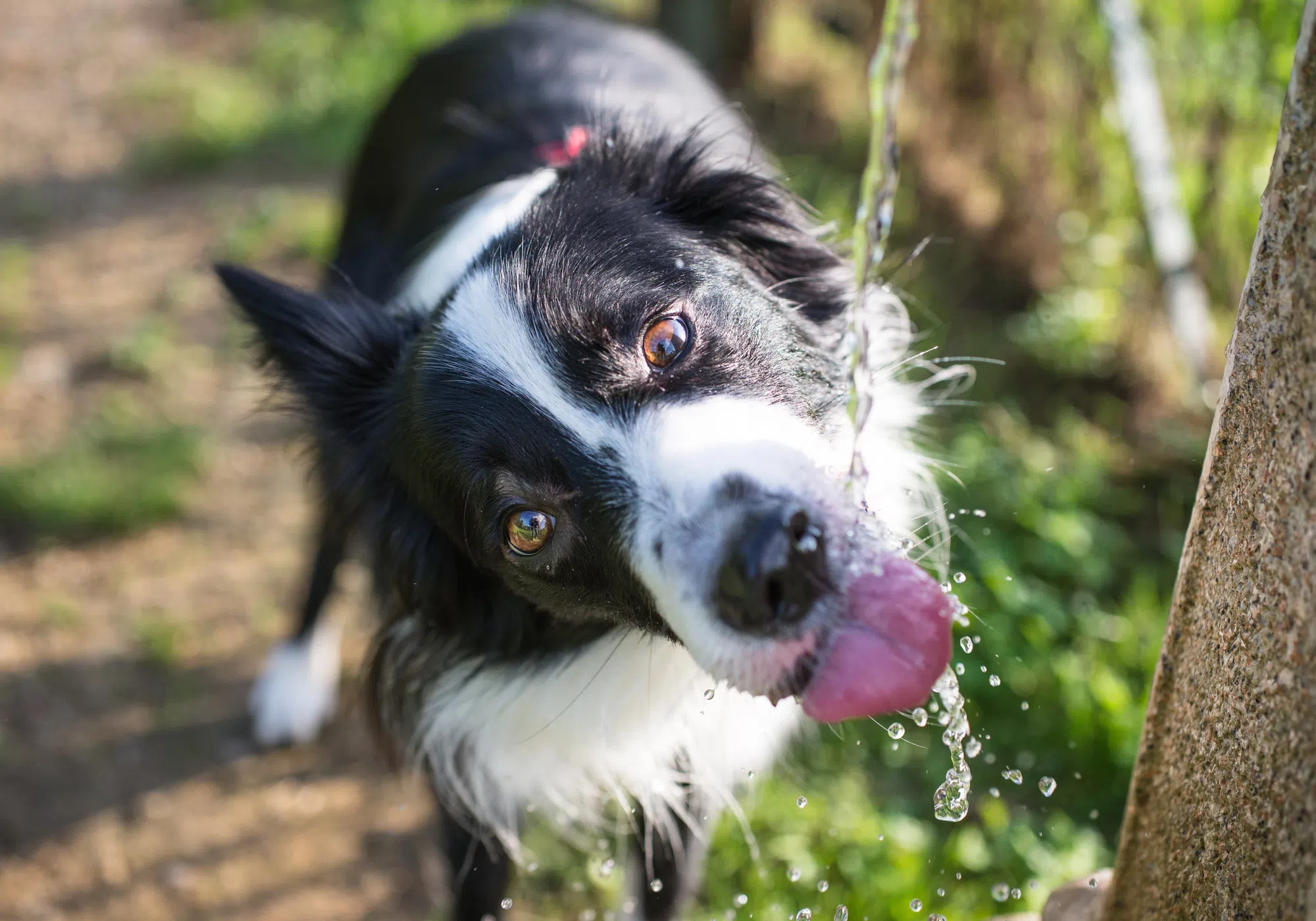
It has been a difficult summer for those who have been forced to find a place to stay cool under extreme conditions.
The heat and wildfires can have an impact on our animals as well.
According to posts on social media, residents have been leaving water outside for both the wild and domesticated animals.
NB SPCA Chief Animal Protection Officer Tony Porter says the best place for pets right now is indoors.
“When they have to do their business outside, you just let them out for a few minutes and bring them back in to stay cool. They can maintain their body temperature, and they don’t have the chance of overheating. The same with walking. They should be walking at night, when the sun goes down, or early in the morning, when the
sun’s not yet up,” Porter adds.
Porter says for cats, they shouldn’t be left to roam free in extremely hot conditions, “It’s just too humid and they’ll overheat and could experience heat exhaustion,” Porter stressed.
Dogs can also be affected by things like air quality advisories.
“Some breeds of dogs have more trouble breathing in hot temperatures and in air conditions that aren’t suitable for people. They have a hard time breathing, and it could become a concern,” Porter said.
Not only are domesticated animals affected, but livestock, including cows and horses, may also be affected by the heat and air quality concerns.
“Often on farms, you’ll see the animals out in the field. They have feed and a water source, whether it’s one of those large water tubs, and shade. That allows them to maintain a reasonable coolness from the sun. But they can also overheat. You can take a hose, run the water over their neck, their chest and their bellies. If you are noticing symptoms of heat exhaustion, though, you should get help,” Porter suggested.
If animals are going to be outside, you should always ensure they have a fresh bowl of water or some sort of water source, so they don’t get dehydrated.



