
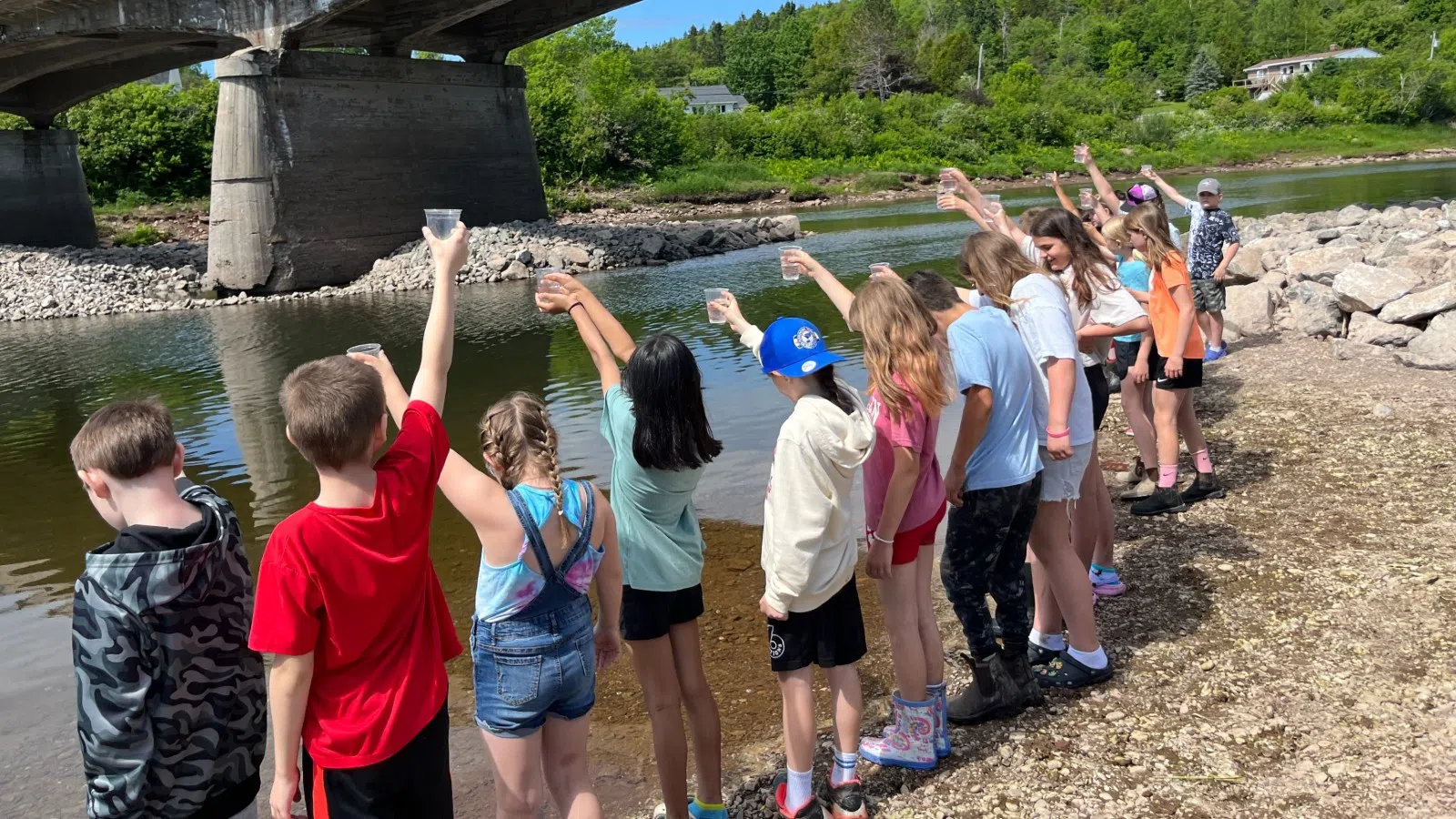
A long‑running classroom program run by the Hammond River Angling Association (HRAA) is on hold this year.
The Fish Friends program has helped students raise Atlantic salmon for more than 30 years.
HRAA says they cannot run it after Fisheries and Oceans Canada decided to close the Mactaquac Biodiversity Facility.
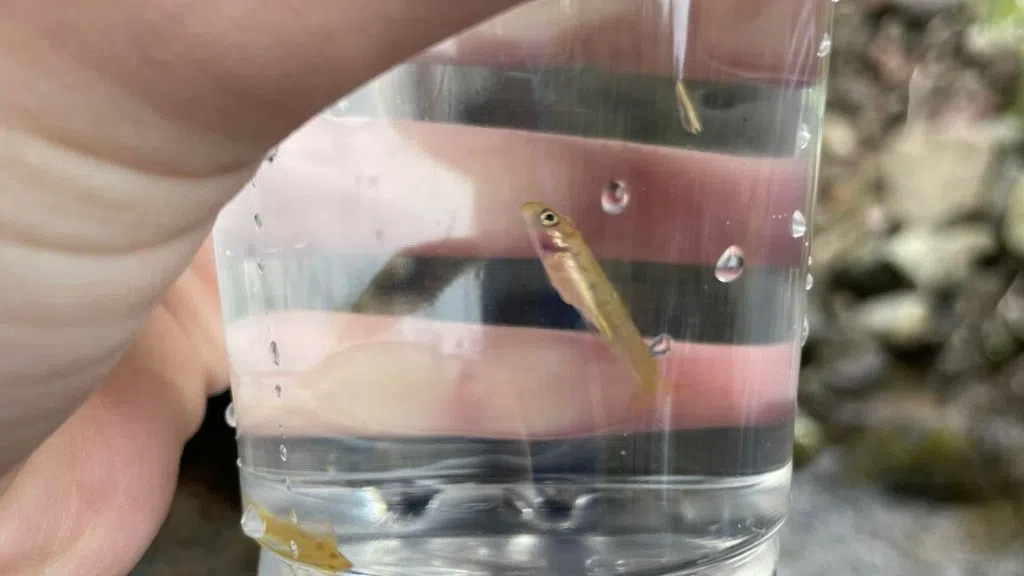
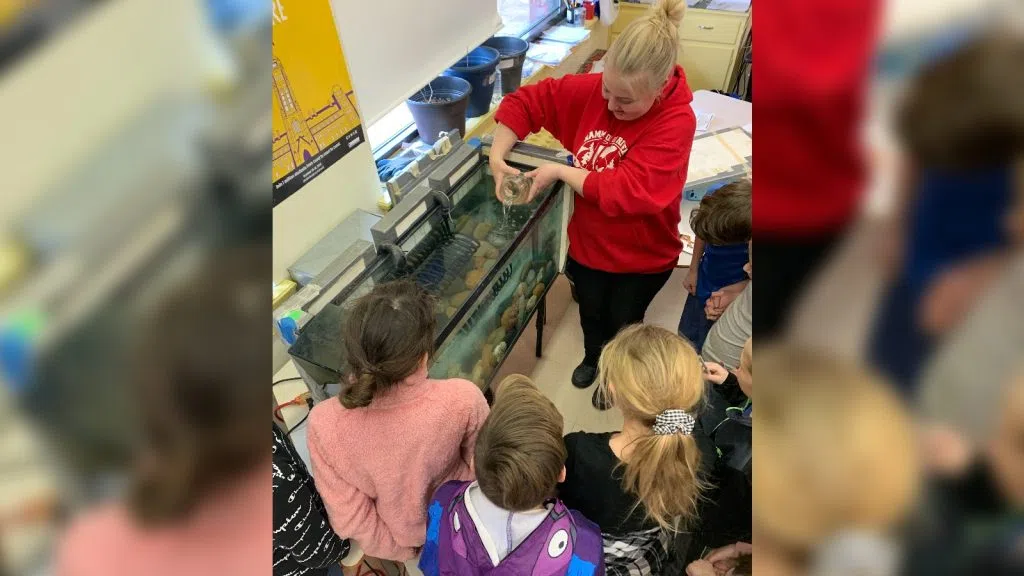
Fish Friends places salmon eggs and small hatchery tanks in classrooms so students can raise fry and release them into local rivers.
The program is coordinated by HRAA with support from the New Brunswick Salmon Council.
Project manager Sarah Blenis called the suspension “devastating,” noting how deeply the program has shaped young people.
She first took part in Fish Friends as a child and credits that early experience with steering her toward conservation work.
“That program really instilled that care for the environment,” she said.
Blenis explained that many others in watershed and salmon organizations share similar stories.
She emphasized that the hands‑on experience is often the only time students will ever see a live Atlantic salmon.
“If they never get to actually see what they’re supposed to protect, it becomes really difficult to inspire them,” Blenis said.
Schools had already prepared for this year’s release.
Blenis said her team purchased new tanks and chillers after securing funding to expand the program, but the equipment will now sit in storage.
“We’ve invested time and resources into growing the program, and right now it feels like it’s all about to slip away.”
Last year, more than 1,000 students in HRAA’s region released salmon through Fish Friends.
Blenis estimates thousands of students across the province will miss the experience this spring.
HRAA is waiting for more information from Fisheries and Oceans Canada.
Blenis said the association received only a brief notice that the facility would close and that more details would follow.
She voiced that the watershed groups want transparency and meaningful engagement before any long‑term decisions are made.
“We need a clear plan. There’s a legal obligation to continue this work,” Blenis said.
Groups are exploring possible alternatives for next year, including smaller hatcheries or a shift to trout in the classroom, but they cannot move forward without clarity from the department.
Blenis said the uncertainty is difficult for teachers, students, and communities that rely on the program.
“When education and conservation fail at the same time, the potential for extinction accelerates,” she said.
“We don’t want this to be the end.”


