
The Sisson mine north of Fredericton has been added to Canada’s list of nation‑building projects.
The designation signals federal recognition of New Brunswick’s role in supplying critical minerals for the economy, defence and clean energy.
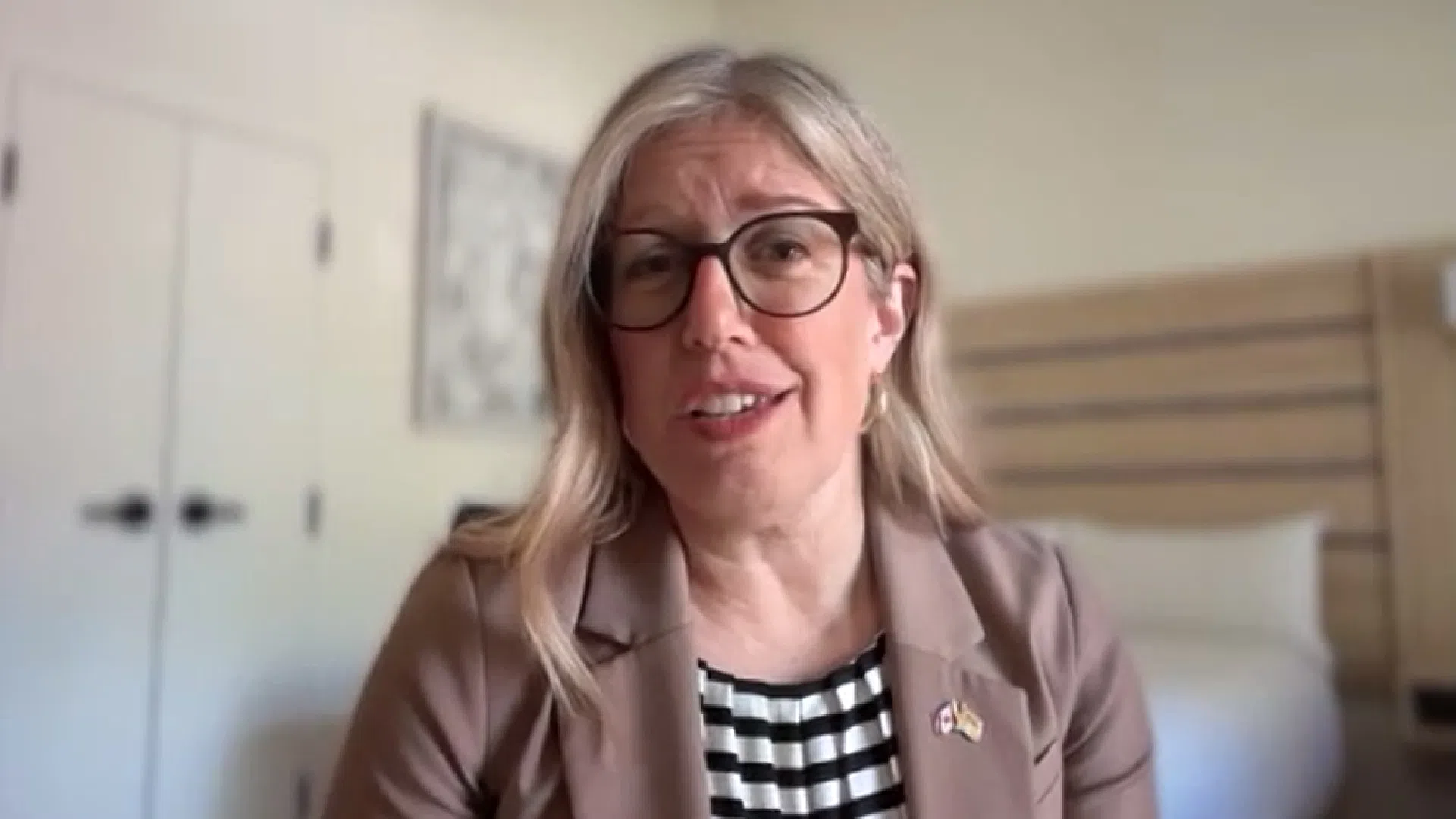
Premier Susan Holt said the mine is ready to be developed and could help secure Canada’s future.
“This is a critical mineral that New Brunswick has the largest deposit of, and now is the time to put it to use for the benefit of New Brunswickers and Canadians,” she said.
The project is expected to create about 500 construction jobs and 300 permanent positions.
Its lifespan is projected at 27 years, producing tungsten and molybdenum, two minerals Ottawa has identified as vital to economic security and the transition to renewable energy.
Holt said the province wants more than raw extraction.
“We take a potato and turn it into french fries. We take a tree and turn it into diapers and Kleenex. Where we can add value to the resource, for the Canadian military or local battery plants, we want to do that,” she said.
Initial estimates put provincial royalties at $280 million and tax revenues at $245 million, though Holt noted those figures depend on market conditions.
She said federal tools such as off‑take agreements and price floors will help stabilize the project’s value and attract investment.
Discussions with First Nations are ongoing. Holt said earlier agreements are being refreshed to include equity stakes, supported by federal funds.
“Projects like this move forward when everybody benefits, and the best way to do that is with equity relationships with First Nations,” she said.
The project has faced criticism from groups including Mining Watch, which raised concerns about ore grades and waste management.
Holt said assessments show the mine is viable and emphasized that environmental protections and community partnerships will be part of the development.
The Sisson mine is part of New Brunswick’s broader minerals strategy, which Holt said will guide future projects.
The province has 21 of Canada’s 34 designated critical minerals, and Holt said more developments could follow as global demand rises.


