
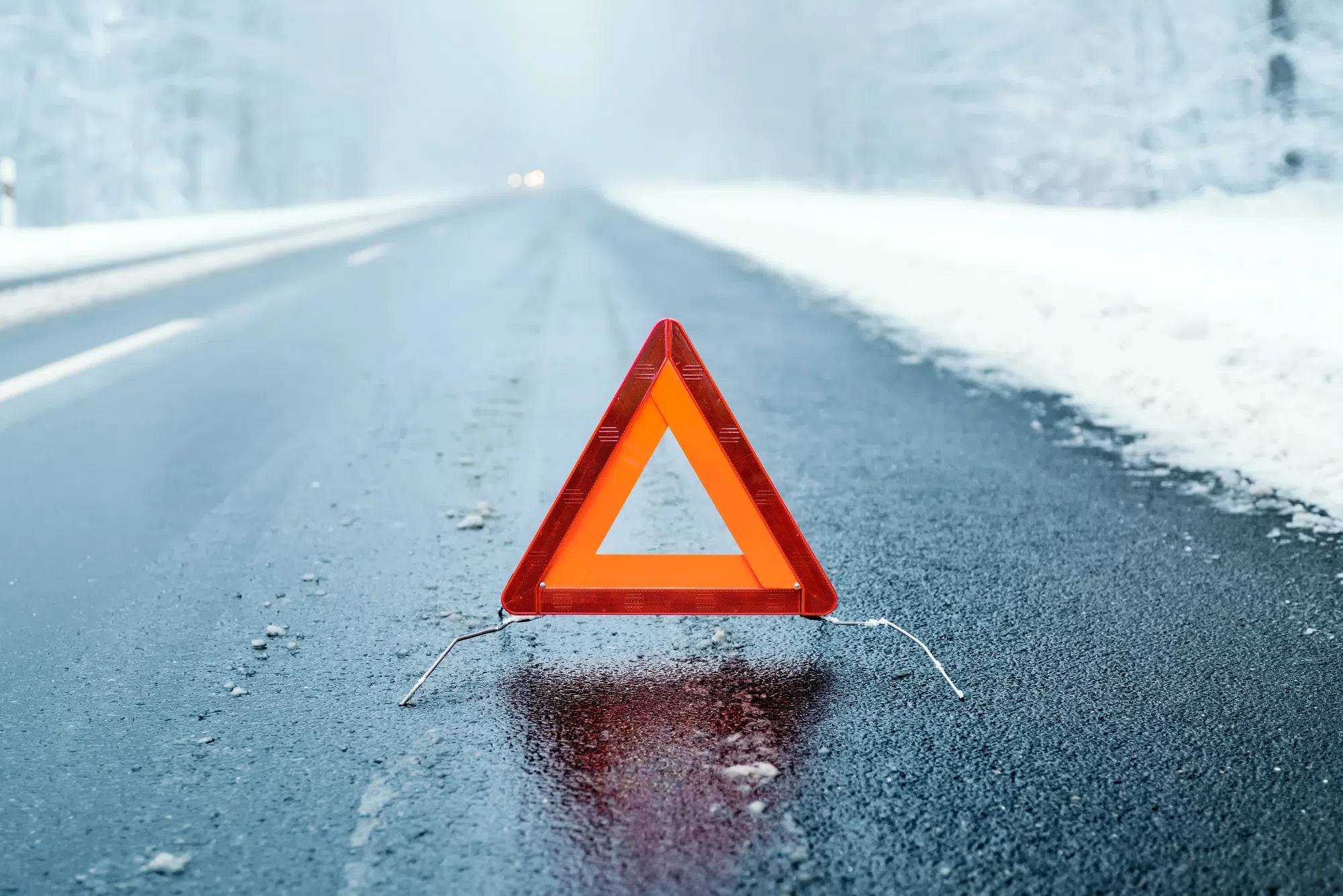
Atlantic Canada could be in for above-average snowfall this winter, according to the venerable Farmers’ Almanac.
According to the Almanac’s winter forecast for the region, the snowiest periods could be mid-November, mid- and late December, and early to mid-January.
Snow tends to increase the risk of accidents as drivers make the annual readjustment to winter driving conditions.
Allstate Insurance released claims data revealing January, December and February, in that order, see the highest number of road accidents in Canada.
According to that data, the most common types of accidents are rear-end collisions, lane change incidents and single-vehicle crashes.
“With the colder months ahead, drivers should be aware of the risks of slippery roads and maintain more space around their vehicle to safely brake,” said George Ljubicic, agency manager at Allstate, in a press release.
Ljubicic said Allstate’s data doesn’t focus only the risks, but also reminds drivers that prevention matters.
“Simple habits like installing winter tires, slowing down, and planning extra time for travel may help reduce the chances of a collision,” he said.
Even experienced drivers can forget the basics of winter driving, whether shifting daylight hours or unexpected black ice. Allstate’s release said winter driving demands renewed attention and caution.
They also recommend the following:
- Install winter tires. Keep an eye on weather reports and have winter tires installed when the temperature drops to below 7 C. Winter driving rules differ by province. Check your area’s regulations before hitting the road.
- The “three-second rule” is an ideal guide to create distance to the vehicle in front to allow for reaction time in an emergency situation under normal conditions, but this should be increased on slippery roads.
- Maintain visibility. Make sure you can see and be seen. Schedule extra time to remove all snow, ice, and frost from your vehicle before departing.
- Consider when you should or shouldn’t drive. Check the weather report. Can you put off whatever you’re doing? If you are going, plan extra travel time.
- Avoid passing snowplows. The reduced sightlines and the extended blades of these vehicles can lead to serious accidents if you try to pass.
- A properly maintained car can help reduce the risk of mechanical issues on a cold winter drive.


