
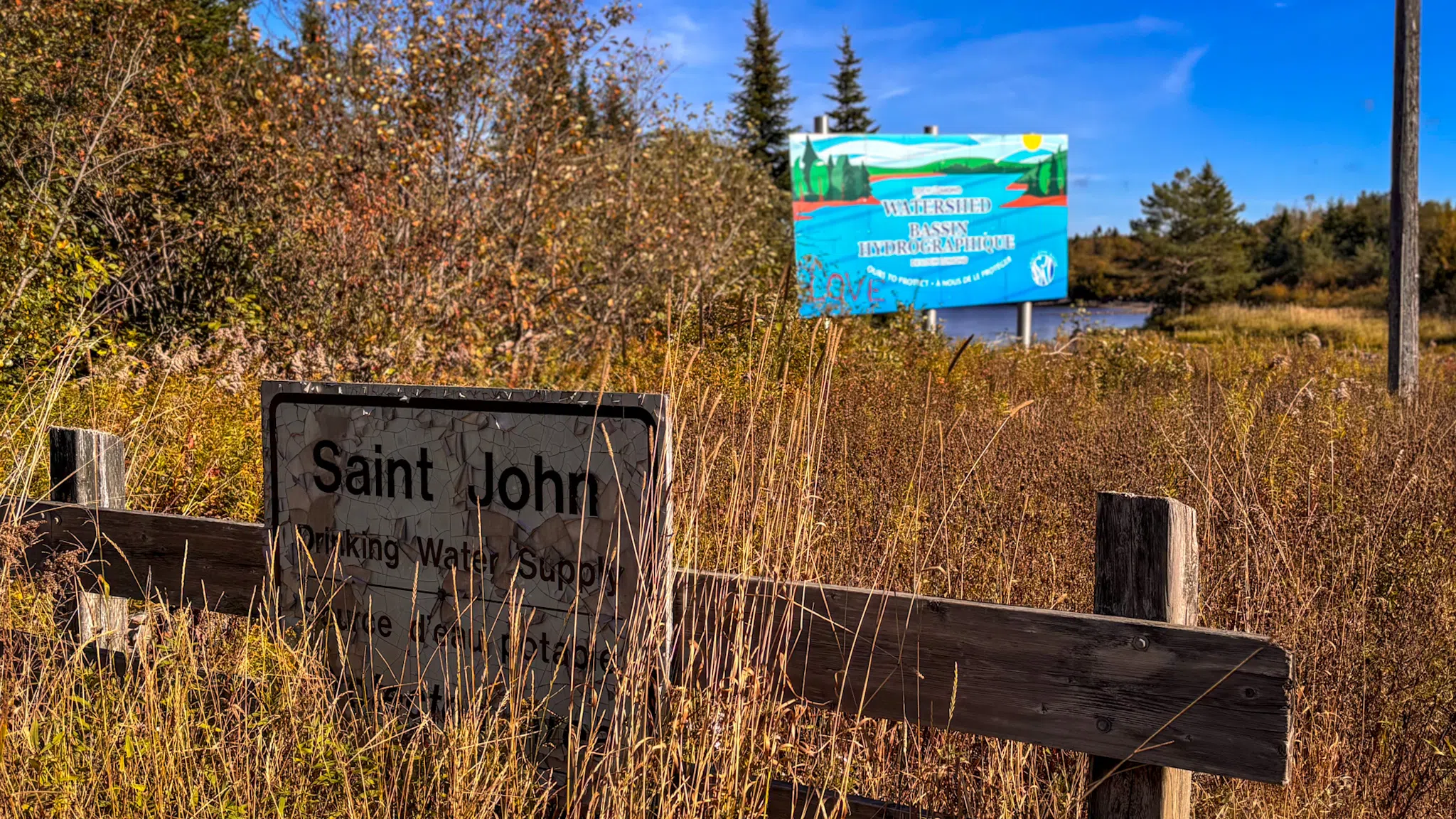
Saint John Water is asking residents to reduce their water use as levels continue to drop across the Loch Lomond Lakes, which supply most of the city’s drinking water.
The watershed includes Loch Lomond, Robertson Lake, First Lake, Second Lake, Third Lake and Latimer Lake. Smaller contributing lakes include Hunter, McBride, Terry and Otter Lakes.
Together, they supply water to homes and businesses on both the east and west sides of the city.
Kendall Mason, the director of Saint John Water, said that the city is lucky to have a safe and plentiful water source. However, this summer’s dry weather has made it difficult to keep lake levels stable.
Consultants estimate the city lost about 400 millimetres of water elevation in August alone.
Mason explained that the city has already taken steps to reduce demand, including shutting down splash pads, scaling back vehicle washing and suspending its annual water main flushing program with approval from the Department of Environment.
Industrial users have also implemented changes, such as switching water sources and adjusting cooling processes to reduce water usage.
“I was impressed with what they were willing to do and how quickly,” Mason said. “Some switched from the east side supply to the west side, which came at a higher cost.”
The city is asking residents to voluntarily reduce their water use. Mason said people can help by avoiding lawn watering, skipping car washes, taking shorter showers and fixing leaks in toilets or water lines.
“Anything really that you can do to minimize your water usage, it’d be greatly appreciated,” he said.
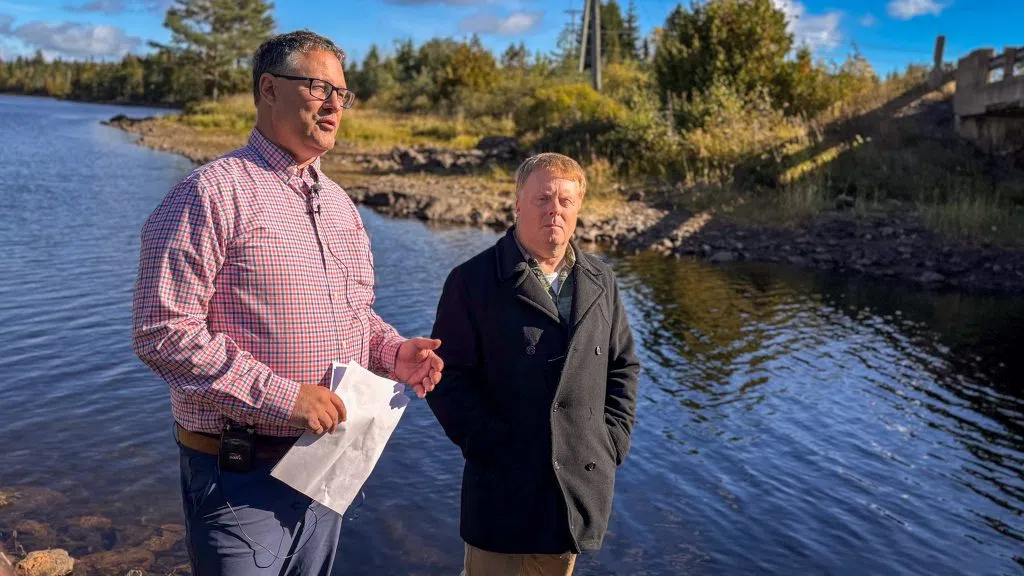
Mason said even modest conservation efforts could make a difference.
“I think it’s fair to believe that a 10 per cent reduction could occur across all potable users,” he said, citing data from metering programs that show consumption often drops by 20 per cent when users are more aware of their usage.
If voluntary efforts aren’t enough, Saint John Water has a plan to pump water from deeper parts of First Lake through a restricted channel to Robertson Lake.
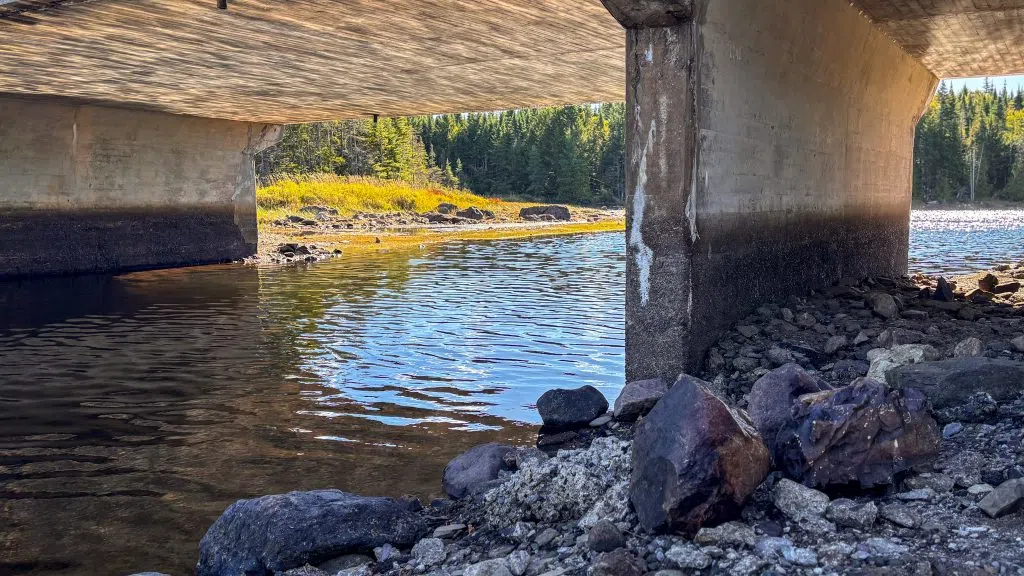
Crews would likely dam off the area near the bridge piers to prevent water from flowing back and allow levels to build up in Robertson. A pump system would move water over the dam from First Lake.
City staff, consultants, contractors, suppliers and regulatory officials are already working on the plan in case it needs to be activated.
Dean Price, Manager of Source Water Protection, said the channel between First and Robertson Lakes is a natural bottleneck and is especially vulnerable to low water.
“It’s only 1.9 metres deep right now,” Price said.
“Normally, it’s a metre deeper. If we do nothing and there’s no rain, we’ll just see sand in the channel and the water won’t flow toward Robertson Lake anymore.”
Price said the lakes usually begin to recover by early fall, but that hasn’t happened this year.
“We haven’t had a lot of rain in the last month,” he said. “We’re kind of waiting for the rain to recover the lake levels.”
He said it’s important to restore lake levels before winter, when the lakes freeze and water storage becomes limited.
“We want to have the lakes back up in full by wintertime,” Price said. “That stored water and ice help get us through next year.”
The Director of Saint John Water, Kendall Mason, added that the city typically uses about 50 megalitres of water per day, all of which is produced at the Loch Lomond drinking water treatment plant on Hickey Road.
He said that figure reflects the demand from potable users, those who rely on treated water for drinking, cooking and sanitation.
Saint John Water will continue to monitor conditions and provide updates as needed.


