
Fort Frances is recognizing September as National Truth and Reconciliation Month.
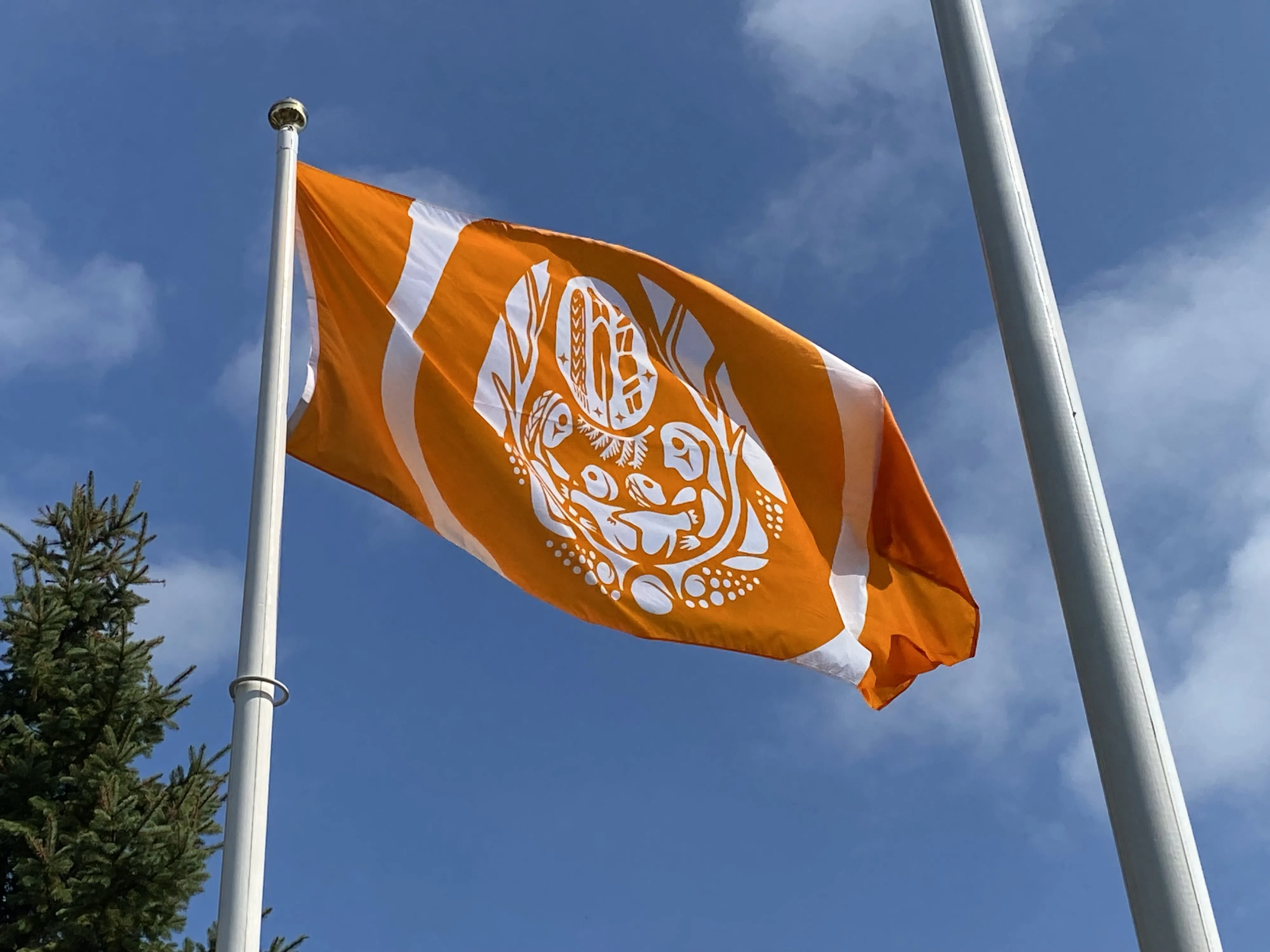
The town marked the occasion by raising a flag that honours survivors of residential schools.
Mayor Andrew Hallikas also read a signed proclamation recognizing the month.
Hallikas says the town is committed to reconciliation.
“Not just today, but every single day of the year. This commitment goes beyond words. It will guide our actions, our policies, and the way we engage with our community,” says Hallikas.
“Today is a solemn observance, but it is also a profound reminder that we all have a role to play in reconciliation.”
The town of Fort Frances established an Indigenous Advisory Committee, which includes representation from First Nations, Metis and the wider community.
Hallikas adds that the town is committed to listening to Indigenous voices, learning from their truths and ensuring that they are heard and respected.
“We will continue to educate our staff, our council and residents about Indigenous cultures, traditions and the legacy of residential schools. And we will be guided by, not only by the Truth and Reconciliation Commission’s calls to action, but also by the principles outlined in the United Nations Declaration on the Rights of Indigenous Peoples.”
Councillor Bill Morrison works at Weechi-ta-win Family Services.
He says 20 organizations and agencies have come together to raise awareness of residential schools and the impact they have on Indigenous people.
“We’re beginning to see reconciliation as more Canadians learn and become aware of the dark period of Canadian history,” says Morrison.
“Now we’re seeing all these agencies working together in the town of Fort Frances, raising the survivors flag and proclaiming this National Truth and Reconciliation Month. This is where it starts by working together to honour the residential school survivors and the children who never made it home and make sure it never happens again.”
Over 150,000 Indigenous children aged 4 to 16 years old were taken from their communities and assimilated into residential schools.
The National Truth and Reconciliation Commission has documented that over 4,000 children did not return home.
More than 130 schools operated across Canada from the 1820s, with the last to close in 1997.
One near Couchiching First Nation, known as St. Margaret’s Indian Residential School, ran from 1906 until 1974.
An Agency One researcher has documented 54 Indigenous children who attended the school but never returned home.



