
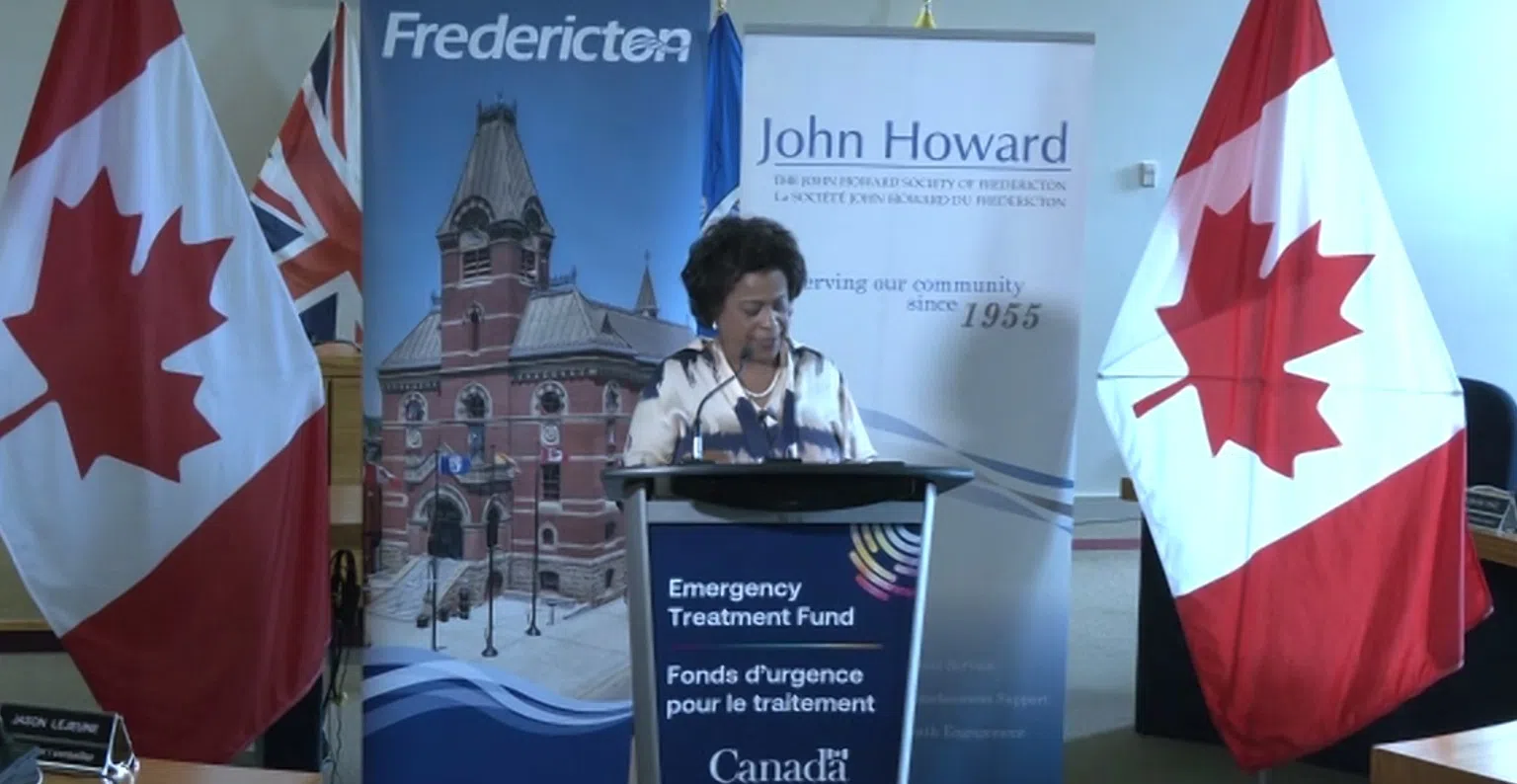
Four projects in Atlantic Canada are receiving federal funding to support response to the overdose crisis.
The money is coming from the Emergency Treatment Fund.
Over $1.53 million will be used to support a wraparound treatment centre in Miramichi, New Brunswick as an extension to the new Out of the Cold Shelter.
The City of Fredericton, New Brunswick, is getting $578 100 to expand its outreach efforts by adding overnight services to support the vulnerable population. This program, run by the John Howard Society, aims to alleviate pressure on emergency services while addressing the growing opioid crisis.
Over $364 000 is being given to the Mobile Outreach program in the Town of Amherst, Nova Scotia, and the First Light Friendship Centre in St. John’s, Newfoundland and Labrador receives over $366 000.
The Indigenous Peer Support Circle is a healing place for community members facing substance use challenges, trauma and mental health issues.
“Communities across the country have called for help – and through the Emergency Treatment Fund, we are responding. This funding will deliver immediate support where it is needed most. We are using every tool available to connect people to care, address urgent local challenges, and keep our communities safe,” Health Minister Marjorie Michel stated.
She adds that the government is doing everything it can to try and solve this crisis, but there is no magic bullet. “We have to try everything we can, and use every tool we can. There is no size fits all. In different regions, people are trying different initiatives that we are ready to support. It’s still very new. Five, ten years from today, it was very, very different over this crisis than now. Now it is much more complicated. As Minister of Health am ready to support provinces and municipalities who are trying new things to see if we can do better. We have to lean on each other.”
Michel adds, we don’t know if one year from now if this crisis will be improved or worse.
“It cannot be solved in one day. We collectively have to improve access for people not only to get emergency funds, but also treatment and what works for them and the obligation. It is a whole holistic approach,” Michel stated.



