
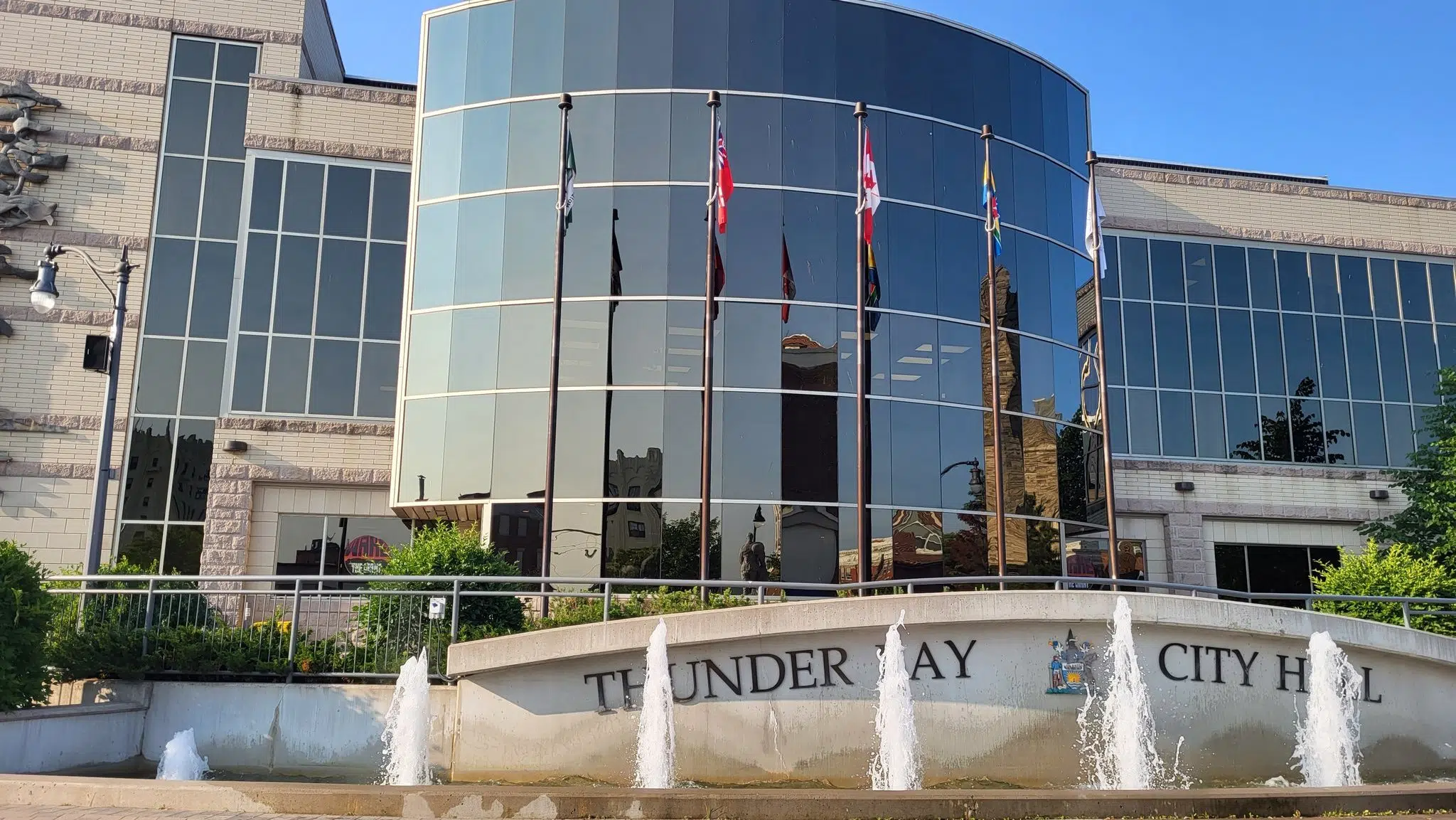
Thunder Bay City Hall (File Photo/Acadia Broadcasting)
A new potential location for a Temporary Shelter Village in Thunder Bay has been identified.
A piece of land owned by the Lakehead Region Conservation Authority, located at 1111 Fort William Road.
This comes as the previously proposed site was declined by city council.
City administration went back and looked through over 50 alternative locations across the city, leading to the new suggestion.
“This recommendation reflects everything we’ve heard from the community, service providers, and internal experts,” said Encampment Response Lead Rilee Willianen. “We need a site that is ready for development and close to services, and one that also reflects our community’s vision for a safer and compassionate city. This site strikes that balance.”
The temporary village is seen as a safer alternative to unmanaged encampments.
The village is going to offer temporary shelter and on-site support for people experiencing homelessness.
According to the city, the benefits of the village include:
- Access to warm, secure shelter, particularly during extreme weather
- Connections to mental health, addiction, and housing supports that help residents move toward permanent housing
- Reduced strain on emergency services and social systems
“This initiative supports the well-being of the entire community,” added Willianen. “We know from research that providing safer shelter options helps individuals stabilize and access services and reduces encampments. The Village represents a smart investment in both compassion and community resilience.”
The city adds that the village would include the following key features:
- Capacity for up to 100 units, along with hygiene and laundry facilities, an office and indoor common space, an outdoor gathering area, and staff parking
- Proximity to public transit and essential health and social services
- Flat and clear land with existing nearby infrastructure (power, water, sewer), allowing for quick construction and cost-efficiency
- Historical encampment activity nearby, increasing likelihood of resident acceptance
- A regulation fire lane for emergency vehicle access
- An 8-foot-high privacy fence to buffer adjacent properties
- Opaque fencing to support resident dignity and reduce visibility from the street
- A nearby security camera through the City’s Eye on the Street program
The property is not located directly within a residential neighbourhood, helping reduce potential conflicts while still being accessible and near to services.
Its central location also addresses public calls for a more balanced geographic option.
The city does not own the proposed land, so the site would not conflict with other municipal development plans.
A lease agreement with the LRCA is being pursued, and the LRCA Board has already given in principle approval, subject to further conditions.
City council is set to debate on whether they want to approve the temporary location at the April 7 city council meeting.
If approved, the city will enter into lease negotiations with the LRCA.
The next steps will include engagement with Indigenous leaders and community partners.
The city has secured over $2.8 million in external funding, covering more than half of the project’s costs.
To receive this funding, construction must begin within 120 days of the agreement being signed, and at least 80 units must be built by the end of 2025.



