
New Brunswick currently has no plans to cut off power to Maine or add a surcharge to electricity exports.
But the premier said it is not something that has been ruled out entirely depending on how the U.S. trade war evolves.
Susan Holt’s comments came during a Thursday afternoon news conference to talk about the province’s tariff measures.
While the premier did not announce any new measures, she did address a number of questions she has received, including around electricity exports.
Earlier this week, Ontario Premier Doug Ford slapped a 25 per cent surcharge on electricity exports to the United States.
But Ford backed off just one day later after the U.S. commerce secretary agreed to meet with him to discuss tariffs and trade.
“I appreciate that New Brunswickers want to see us hit back and take a tough action like that,” Holt said Thursday.
“The reality in New Brunswick and our relationship to supply energy to northern Maine and others is different than how Ontario engages by selling their power on the spot market.”
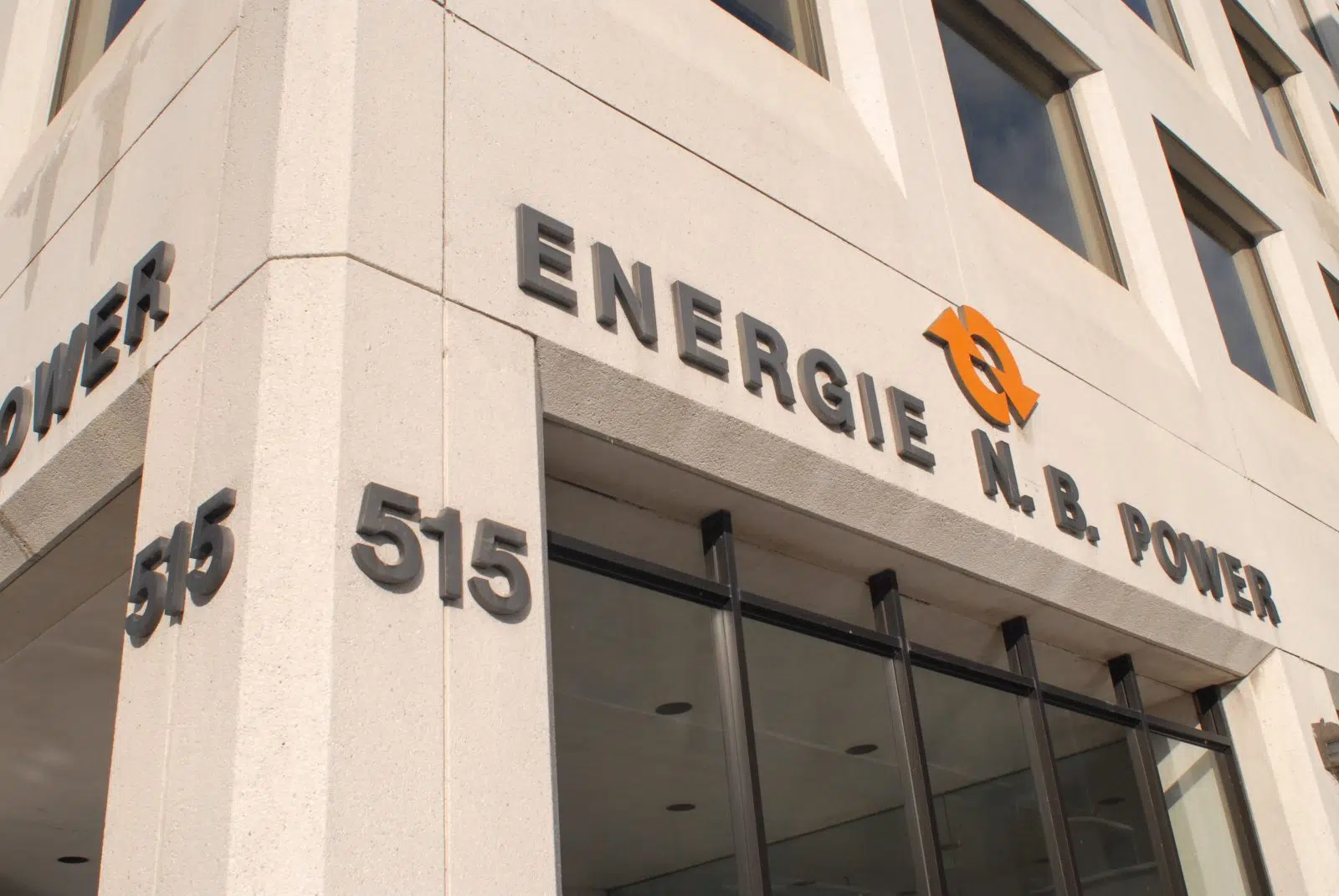
Holt said NB Power has a number of contracts in place with electric utilities in the northern part of Maine that service around 58,000 customers.
While some of those contracts allow for tariffs or surcharges to be added, just under half do not, she said.
Holt said any decision that would impact residents in Maine cannot be made as a “knee-jerk” reaction.
“We also buy power from Maine, where they could choose to take the same tact and add a similar increase to price to the energy that we purchase back to them, which would end up costing us money and hurting us in the long run,” she said.
“There’s also the risk that they decide that they’re going to fortify and connect their grid and we lose that business and that client for the long term.”
That would impact the revenue stream of NB Power, which the premier said is in an “exceptionally challenged position” with a significant amount of debt and a maintenance deficit.
Holt said her goal at the end of the day is to take steps that would force the Trump administration to reduce or eliminate tariffs.
“I’m not certain that adding a surcharge to what the folks in Maine experience is going to yield a result from the White House and instead will just cause damage to a relationship that we want to protect in the long run,” she added.



