
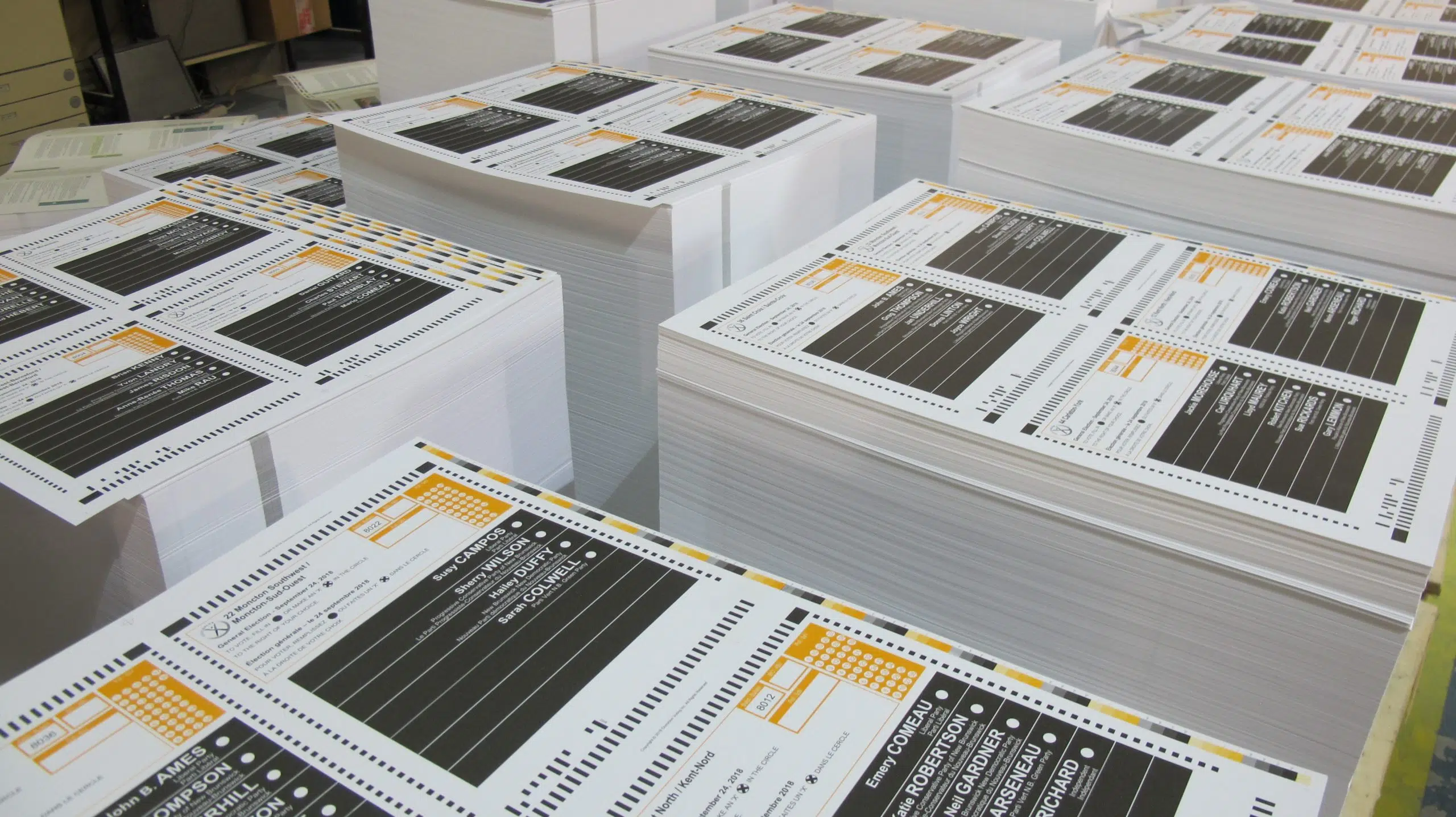
As the countdown to the New Brunswick election continues, the two leading political parties hit the campaign trail on Tuesday, focusing their discussions on tax reductions and climate change.
Liberals plan to reduce the Higgs gas tax
The Liberal Party of New Brunswick has pledged to abolish the Higgs gas tax if they come to power. This tax adds around 4 cents to every litre of gas for residents. Officials stated that this initiative is a key component of the Holt team’s strategy to assist New Brunswickers in managing the increasing cost of living.
The Liberal team has unveiled a 4-part plan aimed at making life more affordable for New Brunswickers:
• An immediate cut to the Higgs Gas Tax, would save residents about 4 cents per litre every time they fill their tanks (Put in place once elected at no extra cost)
• The elimination of the 10 per cent provincial sales tax on electricity bills, resulting in an average annual saving of $192 for households, with some saving over $700 (Put in place on April 1, 2025, costing between $90 million and $95 million)
• The prompt implementation of a 3 per cent rent cap to address the alarming rental increases that have surpassed 10 per cent in recent years. (Early 2025 with no cost)
• Ensuring children have access to breakfast and lunch at school, potentially saving families between $100 and $200 each month for every child. (September 2025 and cost $ 27.4 million)
”Higgs chose to charge New Brunswickers more for gas, rather than oil and gas refineries,” said Susan Holt, Leader of the Liberal Party.
“Our affordability plan will help New Brunswickers with the cost of necessities and provide real and immediate relief to
those who need it.”
Holt will point out that under Higgs, the costs of power, rent, and gas have risen sharply, insisting that New Brunswickers shouldn’t be forced to spend extra to achieve savings while expenses continue to escalate.
Green Party to address climate change in New Brunswick
David Coon, who leads the Green Party of New Brunswick, has put forth a proposal to confront climate change, aiming to enhance affordability for residents while fostering new green job creation.
He stated once he’s elected, the Green strategy will offer economical options for transportation, empower citizens to utilize free solar energy, and significantly lower their power expenses.
The proposal aims to create a fast rail network across the province. The initial phase will link Campbellton, Moncton, and Sackville, offering daily commuter services by 2028.
Future phases will extend the network to connect Saint John with Moncton and Fredericton with Saint John.
“To increase the frequency of city buses and provide improved routes, we will invest $4 million to improve city transit budgets in Fredericton, Saint John, Moncton, and Miramichi, representing a 15 per cent increase to their annual budgets,” said Coon.
“We will also introduce a Toonie Transit model similar to PEI to provide affordable regional transportation.”
Coon emphasized the intention to boost solar energy usage by broadening efforts such as the Shediac pilot project and revamping energy efficiency programs aimed at lowering heating and cooling expenses for families.
The financing for these initiatives will be sourced from a new Cap-and-Trade system, which will take the place of the current consumer carbon tax.
“A Cap-and-Trade carbon pricing system will shift more of the financial burden to industrial polluters, the largest source of carbon emissions in the province, and lower the costs on consumers who have fewer options than industry to cut their emissions, “ added Coon.
Quebec is currently implementing a Cap-and-Trade system to price carbon, opting for this approach instead of a consumer carbon tax.



